



Introduction: Korean Cafés and Why They Pair Well With a Park Day
In Korea, café culture is more than a quick coffee stop—it is part of the travel experience. Many visitors plan a “café + walk” day, where a calm café visit is followed by time outdoors. This rhythm fits perfectly with Seoul Grand Park because the area is naturally suited for slow travel: you can start with a café near the station, move into wide open park spaces, and end the day with a relaxed break. A café visit helps you pace your day, especially if you plan to see multiple zones inside the park such as the zoo, gardens, and forest trails.
• Korea café culture is a common travel routine
• “Café + nature” is a popular day plan
• A slower schedule fits large parks best
• Great for families, couples, and solo travelers
Seoul Grand Park Overview: A Major All-in-One Theme Destination
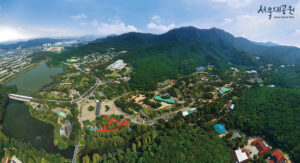
It opened in 1984 and was created when the zoo and amusement facilities of Changgyeongwon were relocated to Gwacheon as part of the Changgyeonggung restoration project. Today, Seoul Grand Park is widely known as a comprehensive destination that combines wildlife, plants, themed gardens, forest healing spaces, forest bathing trails, camping, a family-friendly baseball field, Seoul Land, and the National Museum of Modern and Contemporary Art. Because the park is composed of multiple large facilities, visitors often plan by theme—animals, plants, healing trails, or family activities—rather than trying to do everything in one short visit.
• Opened in 1984 in Gwacheon, Gyeonggi-do
• Developed through relocation from Changgyeongwon
• A multi-facility destination (zoo, gardens, forest, camping, etc.)
• Known for family trips and repeat visits
Seoul Zoo: Conservation, Education, Research, and Animal Welfare
Seoul Zoo focuses on the meaning of animals and nature conservation while improving the ecological and comfortable environment for animals. The goal is for animals to be happier—and for visitors to feel that happiness through better animal welfare. As a modern zoo, it strengthens the core functions of exhibition, conservation, education, and research. It also considers the preservation and research role essential for passing valuable animal resources to the next generation. In addition to internationally rare species, the zoo conducts systematic and scientific research for the conservation and breeding of endangered animals in Korea. Alongside these efforts, the zoo operates diverse conservation education programs for visitors.
• Zoo functions: exhibition, conservation, education, research
• Focus on animal welfare and ecological environments
• Research and breeding for rare and endangered species
• Runs various conservation education programs
• Recognized internationally and linked to global networks
Seoul Grand Park Botanical Garden: Greenhouse, Exhibits, and 1,262 Plant Species
Opened in 1985, the Seoul Grand Park Botanical Garden is located near the foothills of Cheonggyesan and is surrounded by dense forest. In June 2015, it became the first public arboretum registered among Seoul city institutions. Major facilities include a greenhouse botanical garden, a plant specimen exhibition facility, and themed gardens. The garden holds 1,262 species and 41,989 plants, including foliage plants, cacti and succulents, carnivorous and fern plants, roses, and more. The greenhouse focuses on tropical and subtropical collections and includes many rare plants. The plant specimen exhibition room displays plant specimens and photographs, while the theme garden features roses and wildflowers. Seasonal programs are also part of the experience, such as rose garden festivals, special plant exhibits, plant classes, and forest experience education.
• Opened in 1985 near Cheonggyesan foothills
• Public arboretum registration in June 2015
• Facilities: greenhouse, specimen exhibits, theme gardens
• Collection: 1,262 species / 41,989 plants
• Programs: festivals, exhibits, plant classes, forest education
Seoul Grand Park Theme Garden: Roses, Children’s Zoo, and Seasonal Events
The Theme Garden is one of the main facilities connected to the botanical garden experience. It combines a rose garden filled with colorful blooms and a children’s zoo that feels gentle and approachable. This mix makes it a popular place for couples, families, and friends to create memorable moments. Visitors can enjoy seasonal highlights such as the Rose Garden Festival, unique plant exhibitions, and flower areas that change throughout the year. Additional attractions may include animal-related learning activities and performances such as sheep-herding shows, giving the area a “small-theme-park” feeling inside a larger natural environment.
• Rose garden and children’s zoo in one zone
• Seasonal festivals and plant exhibitions
• Family- and couple-friendly atmosphere
• Multiple viewing and activity points in one area
Seoul Grand Park Healing Forest: Rest, Recovery, and Forest Therapy Programs
The Healing Forest surrounds the outer area of the park near Cheonggyesan (Makgye-dong, Gwacheon). This forest zone was restored after the area was closed and residents were relocated during the park’s development in 1984. It is considered a rare, well-preserved natural environment close to Seoul. Each year, forest therapy programs operate from late April to late November (closed during winter). Facilities include healing forest paths, water-wind-sunlight therapy areas, fragrance gardens, forest plazas, and a visitor center. Many visitors choose this area when they want a calm nature-focused experience rather than a busy attraction schedule.
• Located around Cheonggyesan area (Makgye-dong, Gwacheon)
• Restored forest with well-preserved nature near Seoul
• Programs run late April to late November (winter closure)
• Facilities: therapy paths, fragrance garden, forest plaza, visitor center
Forest Bathing Area: Awarded Trails and Multiple Course Options
The forest bathing area sits in the mountains outside the Seoul Zoo zone and includes an award-winning forest path recognized in the “Beautiful Forest” national competition. The trails are part of a rich natural learning environment where about 470 plant species exist, including pine, wild pear, spicebush, and oak varieties, alongside wildlife such as squirrels, rabbits, weasels, and raccoon dogs. The total trail length is about 8 km and is divided into four sections (behind the Australia enclosure, a South America shortcut trail, a reservoir shortcut trail, and a big-cat enclosure shortcut trail). Depending on your route, forest bathing can take from about 30 minutes to around 3 hours. There are also multiple themed courses, and one highlight is a 450m barefoot-walking section near the “Thinking Forest,” designed as a quiet healing spot where you can walk directly on soil.
• Awarded forest trail near the zoo outer mountain area
• About 470 plant species and diverse wildlife habitat
• Total trail length about 8 km with 4 sections
• Course options from ~30 minutes to ~3 hours
• 450m barefoot-walking section near the Thinking Forest area
Seoul Grand Park Camping Site: Nature Stays and Outdoor Facilities
Opened in November 1986, the Seoul Grand Park camping site is set within clean valley water and dense forest near Cheonggyesan. It is designed for camping, cooking, recreation, and picnics in a natural environment. Key facilities include 150 camping units with a daily capacity of about 1,500 people, plus courts and convenience spaces such as a volleyball court, basketball court, store, shower facilities, and parking. The campsite generally operates from March to November, excluding the coldest winter period. Because camping days require more planning, many visitors pair a short zoo or garden visit with an overnight stay for a slower, more complete nature experience.
• Opened in November 1986
• Forest and valley setting near Cheonggyesan
• 150 camping units / daily capacity about 1,500 people
• Facilities: sports courts, store, showers, parking
• Operates mainly March to November (excluding winter)
Hours and Entry Timing: Seasonal Closing Times
For major facilities such as the zoo and theme garden, operating hours change by season. During the shoulder seasons (March–April and September–October), the typical schedule runs until 18:00. In summer (May–August), closing extends to 19:00. In winter (November–February), closing is earlier at 17:00. The greenhouse exhibition area generally operates from 10:00 to 17:00. Entry is typically allowed until one hour before closing, so arriving earlier is recommended—especially if you want to visit more than one zone in a single day.
• Zoo / Theme Garden (Mar–Apr, Sep–Oct): 09:00–18:00
• Zoo / Theme Garden (May–Aug): 09:00–19:00
• Zoo / Theme Garden (Nov–Feb): 09:00–17:00
• Greenhouse exhibition: 10:00–17:00
• Entry available until 1 hour before closing time
Location and Transportation: Easy Subway Access
Seoul Grand Park is located at 102 Daegongwon-gwangjang-ro, Gwacheon-si, Gyeonggi-do. The closest subway access is Seoul Grand Park Station on Seoul Metropolitan Subway Line 4. From Exit 2, it is a short walk (about 349m based on the map display). Because the park spans multiple large facilities, arriving by subway is often the simplest option for visitors who want predictable travel time, especially on weekends. Once you arrive, plan your route by theme—zoo, botanical garden, theme garden, or forest zones—to reduce unnecessary walking.
• Address: 102 Daegongwon-gwangjang-ro, Gwacheon-si, Gyeonggi-do
• Subway: Line 4, Seoul Grand Park Station
• Exit 2 to park area: about 349m
• Best approach: choose zones first, then move by route
• Google Map
Conclusion: How Kosmedi Helps You Plan Korea Beyond Seoul Grand Park
Kosmedi supports travelers who want reliable, practical information in Korea. Kosmedi can help you confirm clinics and hospitals that are verified by locals, and it can connect you with places that clearly provide interpretation services. You can also check hospital procedure events and travel highlights in one place, including transparent viewing of information such as prices, reviews, and introductions for major tourism spots. Kosmedi also offers Kosmedi-only discount coupons and event benefits, plus real-time message consultation for quick questions. Beyond hospitals, Kosmedi can recommend travel restaurants, festivals, discounts, events, popular places, and local hidden gems—so your Korea trip can feel organized, safe, and efficient from planning to arrival.
• Verified local guidance for clinics and hospitals in Korea
• Confirmed interpretation support information when needed
• View events and travel spot details (including reviews and info pages)
• Kosmedi-only discount coupons and event benefits
• Real-time message consultation
• Recommendations beyond hospitals: food, festivals, discounts, events, and local spots

