



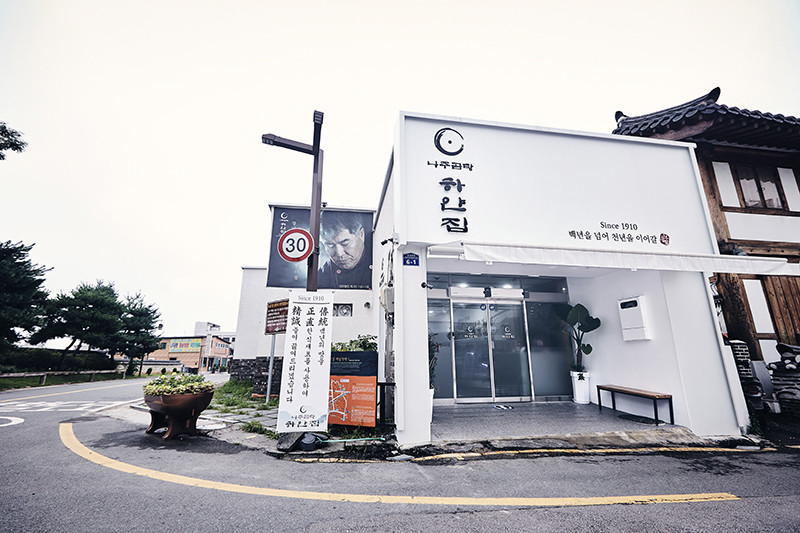
Naju Gomtang: A Must-Try Local Dish When Visiting Naju
Naju in Jeollanam-do is a Korean city where travelers can experience both long-standing history and distinctive regional food culture.
During the Goryeo and Joseon periods, Naju played an important role as an administrative and transportation center in the Honam region. Today, local specialties such as Naju gomtang, Yeongsanpo fermented skate, and Gujinpo eel remain closely associated with the city.
Among these dishes, Naju gomtang is particularly representative because the name of the city itself has become part of the food’s identity.
Unlike the milky-white seolleongtang or bone-based beef soups that many visitors associate with Korean cuisine, Naju gomtang is known for its clear and relatively light broth. Cuts such as beef brisket and shank are used to create a meat-centered stock.
The history of Naju gomtang is also connected with the old market culture inside Naju Eupseong, where warm bowls of rice and beef soup were served to merchants and local residents visiting the marketplace.
One restaurant that is consistently associated with this long history of Naju gomtang is Naju Gomtang Hayanjip.
• Representative local food of Naju, Jeollanam-do
• Known for its clear beef broth
• Broth traditionally centered on beef such as brisket and shank
• Connected to Naju’s historic market food culture
• One of the signature meals to try during a Naju trip
• Relatively approachable Korean food for international visitors
Naju Gomtang Hayanjip Has Been Serving Gomtang Since 1910
Naju Gomtang Hayanjip is a historic Korean restaurant that began operating in 1910.
Its history is traced back to Ryumun Sikdang, which operated around the traditional market area near the Naju government complex. The restaurant has continued for more than a century and is now operated by the fourth generation of the family.
The phrase “Since 1910”, which appears in the restaurant’s branding, reflects this long history.
What makes Naju Gomtang Hayanjip notable is not simply its age. Several generations have continued the restaurant while preserving the style and identity of traditional Naju gomtang.
Naju Gomtang Hayanjip is also located in Naju’s historic downtown area near Geumseonggwan, making it convenient to combine a traditional Korean meal with sightseeing around the old city.
• Established in 1910
• More than 100 years of history
• Tradition currently continued by the fourth generation
• Located in Naju’s historic downtown area
• One of the long-established restaurants associated with Naju gomtang
• Convenient to combine with a visit to Geumseonggwan
Why Is Naju Gomtang Broth So Clear?
International visitors seeing Naju gomtang for the first time may immediately notice that the soup is much clearer than expected.
Instead of boiling large quantities of bones until the broth becomes opaque and milky like seolleongtang, Naju-style gomtang relies more heavily on beef cuts such as brisket and shank.
This meat-centered preparation produces a clear broth while still extracting a deep beef flavor.
The clear appearance does not mean the broth lacks flavor. At Naju Gomtang Hayanjip, the savory taste of beef is present without the soup feeling excessively oily or heavy.
For travelers unfamiliar with Korean soup dishes, this balance can make Naju gomtang an approachable introduction to Korean gukbap culture.
• Clear and transparent broth
• Beef-centered preparation using cuts such as brisket and shank
• Different from milky seolleongtang
• Relatively light rather than excessively oily
• Savory beef flavor
• Suitable as an introduction to Korean soup dishes
The Broth Is Prepared from Early Morning
One of the central elements behind the long tradition of Naju Gomtang Hayanjip is the preparation of its broth.
The cooking process begins early in the morning, with large cauldrons used to simmer the stock for an extended period.
During preparation, excess fat and impurities are removed so that the broth can retain the clear appearance associated with traditional Naju gomtang.
The objective is not simply to create the heaviest or richest possible beef soup. Instead, the preparation focuses on extracting beef flavor while maintaining a clean and relatively light finish.
This balance between long cooking and clear broth is one of the defining characteristics of the gomtang served at Naju Gomtang Hayanjip.
• Broth preparation begins early in the morning
• Long cooking process
• Excess fat and impurities are removed
• Beef-centered soup preparation
• Clear and light broth maintained
• Traditional cooking method preserved
The Signature Menu at Naju Gomtang Hayanjip Is Gomtang
For a first visit to Naju Gomtang Hayanjip, the simplest place to start is the standard gomtang.
According to the current menu provided, one bowl costs KRW 13,000.
The dish combines clear beef broth, sliced beef, and rice in one bowl, making it an easy and complete meal without requiring visitors to order soup and rice separately.
If your goal is to understand the basic character of traditional Naju gomtang, the standard gomtang is the most straightforward choice before trying the more meat-focused suyuk gomtang.
• Gomtang: KRW 13,000
• Signature menu
• Clear beef broth
• Beef and rice served together
• Straightforward choice for first-time visitors
• Good way to experience the basic style of Naju gomtang
Choose Suyuk Gomtang If You Want More Beef
Visitors who place more emphasis on the amount and texture of the meat can choose suyuk gomtang at Naju Gomtang Hayanjip.
The current menu lists suyuk gomtang at KRW 15,000.
While the regular gomtang provides the classic combination of clear broth, beef, and rice, suyuk gomtang puts greater emphasis on the texture and variety of the boiled beef.
The meat can provide both tender and slightly chewy textures, making this option particularly suitable for travelers who want a more substantial bowl.
• Suyuk Gomtang: KRW 15,000
• Greater emphasis on beef texture
• Tender and pleasantly chewy meat
• Suitable for a more substantial meal
• Recommended for visitors who particularly enjoy beef
For Groups, Add a Plate of Suyuk
If you want a separate beef dish in addition to gomtang, Naju Gomtang Hayanjip also serves suyuk.
According to the current menu, suyuk costs KRW 40,000.
Unlike the sliced beef served inside the soup, this dish is designed to let diners focus more directly on the texture and flavor of the boiled beef itself.
For two or more people, it can be ordered alongside individual bowls of gomtang and shared at the table.
Suyuk can also pair well with Korean alcoholic drinks such as makgeolli for visitors interested in experiencing a more traditional Korean dining style.
• Suyuk: KRW 40,000
• Suitable for sharing
• Focuses on the texture of boiled beef
• Can be ordered together with gomtang
• Suitable for combining a meal with Korean alcohol
Naju Gomtang Hayanjip Menu and Prices
The menu at Naju Gomtang Hayanjip is relatively simple, focusing mainly on gomtang, suyuk gomtang, and suyuk.
This uncomplicated menu can be useful for international travelers who are not comfortable ordering in Korean because there are only a few main food options to compare.
In addition to the food menu, the restaurant also offers bokbunja wine, soju, beer, makgeolli, and soft drinks.
• Gomtang: KRW 13,000
• Suyuk Gomtang: KRW 15,000
• Suyuk: KRW 40,000
• Bohae Bokbunja: KRW 13,000
• Soju: KRW 5,000
• Beer: KRW 5,000
• Makgeolli: KRW 5,000
• Soft drinks: KRW 2,000
Gomtang vs. Suyuk Gomtang: Which Should You Order?
One of the most common questions for first-time visitors to Naju Gomtang Hayanjip is the difference between regular gomtang and suyuk gomtang.
If you mainly want to experience the clear broth and classic meat-and-rice combination of Naju gomtang, the regular gomtang is the most suitable choice.
If the quantity and texture of the beef are just as important to you as the broth, suyuk gomtang may be a better match.
The price difference between the two dishes is relatively small, so visitors who usually prefer more meat in Korean soup dishes may want to choose suyuk gomtang.
• Classic Naju gomtang experience: Gomtang
• Price: KRW 13,000
• More emphasis on beef and texture: Suyuk Gomtang
• Price: KRW 15,000
• For groups that want additional beef: add Suyuk
Why Kimchi and Kkakdugi Matter with Gomtang
At a Korean gomtang restaurant, kimchi and kkakdugi can be almost as important to the overall meal as the soup and beef.
After several spoonfuls of clear and mild broth, the refreshing acidity and seasoning of kimchi or cubed radish kimchi create a useful contrast in flavor.
Korean reviews of Naju Gomtang Hayanjip frequently mention not only the gomtang but also the accompanying kimchi and kkakdugi.
International visitors may therefore want to avoid eating the soup entirely on its own and instead alternate between the broth, beef, rice, and small bites of kimchi or kkakdugi to experience the meal in a more typical Korean way.
• Representative side dishes served with gomtang
• Kimchi and kkakdugi
• Provide contrast to the light broth
• Frequently mentioned in Korean visitor reviews
• Worth trying as part of the complete Korean gukbap experience
What Do Korean Visitors Mention About Naju Gomtang Hayanjip?
Public Korean reviews of Naju Gomtang Hayanjip frequently mention the clear, clean-tasting broth, generous amount of beef, and the quality of the kimchi and kkakdugi.
The restaurant is visited for breakfast, lunch, and dinner, and reviews indicate that it is used for a variety of occasions ranging from solo meals to family dining.
Although its long history can make Naju Gomtang Hayanjip appear primarily like a tourist destination, reviews also mention visits by local residents.
Some diners particularly prefer the meat texture of suyuk gomtang.
Because it is a famous long-established restaurant, visitors should consider the possibility of waiting during busy lunch periods and weekends.
• Clear and clean broth frequently mentioned
• Positive feedback on the amount of beef
• Kimchi and kkakdugi are also well reviewed
• Suitable for breakfast, lunch, and dinner
• Used for both solo meals and family dining
• Waiting may occur during busy periods
What International Visitors May Appreciate About Naju Gomtang Hayanjip
Naju gomtang may initially be unfamiliar to international visitors, but the dish itself is relatively easy to understand.
At Naju Gomtang Hayanjip, the core meal consists of clear beef broth, rice, and sliced beef.
Because standard Naju gomtang is not inherently spicy, it can also be more approachable for travelers who have difficulty with spicy Korean dishes.
The clean broth, tender beef, and comforting warmth of the dish can make it especially appealing to visitors looking for a satisfying but not excessively heavy Korean meal.
The menu is also relatively uncomplicated. Ordering “Naju Gomtang” gives international visitors a direct way to experience one of the city’s signature foods.
• Generally non-spicy dish
• Clear beef broth
• Tender beef
• Korean gukbap combining rice and soup
• Simple menu structure
• Good introduction to Korean regional food culture
Naju Gomtang Hayanjip Is Also Open for Breakfast
Naju Gomtang Hayanjip opens at 8:00 AM, making it possible to eat earlier than at many restaurants primarily focused on lunch service.
Travelers staying overnight in Naju can begin the day with gomtang before starting their sightseeing itinerary.
It can also work for visitors traveling from Gwangju in the morning and planning to begin their Naju trip with a traditional meal.
For travelers who prefer a warm and mild soup rather than spicy or strongly seasoned food in the morning, Naju gomtang can be particularly approachable.
• Opens at 8:00 AM
• Breakfast available
• Can be used as the first stop of a sightseeing day
• Mild, non-spicy broth
• Particularly suitable during colder seasons
Naju Gomtang Hayanjip Location
Naju Gomtang Hayanjip is located at 6-1 Geumseonggwan-gil, Naju-si, Jeollanam-do.
The restaurant is in the historic downtown area of Naju near Geumseonggwan.
Several gomtang restaurants are concentrated around this area, making the neighborhood one of the best-known places in Naju to experience the city’s traditional beef soup culture.
Visitors can explore historical sites around Geumseonggwan before eating at Naju Gomtang Hayanjip, or walk around the old city after finishing their meal.
• Address: 6-1 Geumseonggwan-gil, Naju-si, Jeollanam-do
• Located in Jungang-dong
• Near Geumseonggwan
• Easy to combine with sightseeing in historic Naju
• Located in an area known for Naju gomtang restaurants
Naju Gomtang Hayanjip Naver Map
How to Get to Naju Gomtang Hayanjip from Naju Bus Terminal
The distance from Naju Bus Terminal to Naju Gomtang Hayanjip is relatively short.
According to the provided walking route, the restaurant is approximately 535 meters away and takes around 8 minutes on foot.
If the weather is comfortable and you are not carrying heavy luggage, walking is the simplest option.
The provided public transportation route also shows an approximately 12-minute journey using Bus 160.
Travelers without luggage may therefore prefer walking, while those carrying suitcases or heavy bags can consider a local bus or taxi.
• Starting point: Naju Bus Terminal
• Walking distance: approximately 535m
• Walking time: approximately 8 minutes
• Bus 160 route available
• Provided bus route: approximately 12 minutes
• Walking is convenient if you are not carrying heavy luggage
How to Get to Naju Gomtang Hayanjip from Gwangju Bus Terminal
Travelers staying in Gwangju can also visit Naju Gomtang Hayanjip as part of a day trip to Naju.
According to the provided route information, one option begins at Gwangju U-Square Bus Terminal, uses an intercity bus, and then involves transferring around the Gwangju Songjeong Station area to Bus 160 toward central Naju.
The displayed route takes approximately one hour.
Actual travel time can vary depending on traffic conditions and transfer waiting times, so travelers should include additional time when planning a same-day itinerary.
• Starting point: Gwangju U-Square Bus Terminal
• Intercity bus segment
• Transfer near Gwangju Songjeong Station
• Bus 160 route toward Naju
• Provided route time: approximately 1 hour
• Actual time may vary depending on transfers and traffic
Naju Gomtang Hayanjip Opening Hours and Wednesday Closing Day
Naju Gomtang Hayanjip is currently listed as operating from 8:00 AM to 8:00 PM on regular business days.
Wednesday is the regular closing day.
If a Wednesday falls on a public holiday, the restaurant is listed as opening normally on that day and closing the following day instead.
Travelers coming from outside Naju should pay particular attention to this schedule when planning a visit around Wednesday.
• Monday: 8:00 AM–8:00 PM
• Tuesday: 8:00 AM–8:00 PM
• Wednesday: Closed
• Thursday: 8:00 AM–8:00 PM
• Friday: 8:00 AM–8:00 PM
• Saturday: 8:00 AM–8:00 PM
• Sunday: 8:00 AM–8:00 PM
• If Wednesday is a public holiday, the restaurant opens and closes the following day
When Should You Visit to Reduce Waiting?
Because Naju Gomtang Hayanjip is a well-known historic restaurant, visitor numbers can increase during lunch hours and on weekends.
Arriving shortly after the 8:00 AM opening time can be more comfortable than visiting during the main lunch period.
If your travel schedule is flexible, another option is to avoid the period around noon and visit in the late morning or for an early dinner.
Allowing extra time is still useful, particularly during weekends, holidays, and popular travel periods.
• Lunch and weekends can be busy
• Shortly after opening may be relatively quieter
• Breakfast is possible
• Avoiding the main lunch period may reduce waiting
• Allow extra time in your travel schedule
Why Combine Naju Gomtang Hayanjip with Geumseonggwan?
Naju Gomtang Hayanjip is close to Geumseonggwan, making it easy to combine a meal with sightseeing in Naju’s historic downtown rather than visiting the restaurant alone.
The Geumseonggwan area provides an opportunity to explore Naju’s long history and elements of the city’s traditional urban structure.
For international travelers who want to explore destinations beyond major cities such as Seoul or Busan, this combination offers both regional Korean food culture and local history in one itinerary.
• Close to Geumseonggwan
• Historic downtown sightseeing in Naju
• Easy to combine food and tourism
• Opportunity to experience regional Korean food culture
• Useful itinerary for international travelers exploring regional Korea
Recommended Ordering Guide for International Visitors
For a first visit to Naju Gomtang Hayanjip, there is no need to order many different dishes.
Solo travelers can simply choose either a regular gomtang or suyuk gomtang.
For two or more people, another option is to order individual bowls of gomtang and add a plate of suyuk to share.
If spicy Korean food is difficult for you, the regular gomtang is an easy place to begin. If you want to experience more beef and different meat textures, suyuk gomtang may be the better option.
• First visit: Regular Gomtang
• For more beef: Suyuk Gomtang
• For groups: Gomtang + shared Suyuk
• Relatively suitable for travelers who do not eat spicy food
• Try the kimchi and kkakdugi together with the soup
Looking for Traditional Korean Food in Naju?
One of the most distinctive aspects of Naju Gomtang Hayanjip is that the restaurant has continued to focus on its core dishes rather than building an excessively large menu.
Knowing that the restaurant’s history dates back to 1910 and that the tradition has continued through four generations gives the meal additional context beyond simply eating a bowl of beef soup.
The clear broth, tender beef, rice, kimchi, and kkakdugi together provide an accessible way to experience Korean gukbap culture and Naju’s regional food heritage.
For both Korean and international visitors traveling to Naju for the first time, Naju Gomtang Hayanjip is a useful place to experience one of the city’s best-known traditional dishes.
• History dating back to 1910
• Representative part of Naju’s regional food culture
• Clear and mild broth
• Korean gukbap combining beef and rice
• Served with kimchi and kkakdugi
• Traditional Korean food worth experiencing during a Naju trip
Find Korean Medical and Regional Travel Information with Kosmedi
Kosmedi (becoming KormPath) helps international travelers and foreign patients find hospitals checked by local Korean staff, confirmed interpretation services, medical procedures, health checkups, prices, events, and reviews.
Kosmedi also provides exclusive partner hospital discounts, special events, and real-time messaging support, while introducing local Korean travel information such as Naju Gomtang Hayanjip, restaurants, festivals, tourist attractions, discount events, and places popular with local residents.
• Hospitals checked by local Korean staff
• Confirmed interpretation service information
• Procedures, health checkups, prices, events, and reviews
• Kosmedi-exclusive discounts and real-time messaging support
• Korean restaurants, attractions, and local travel information

